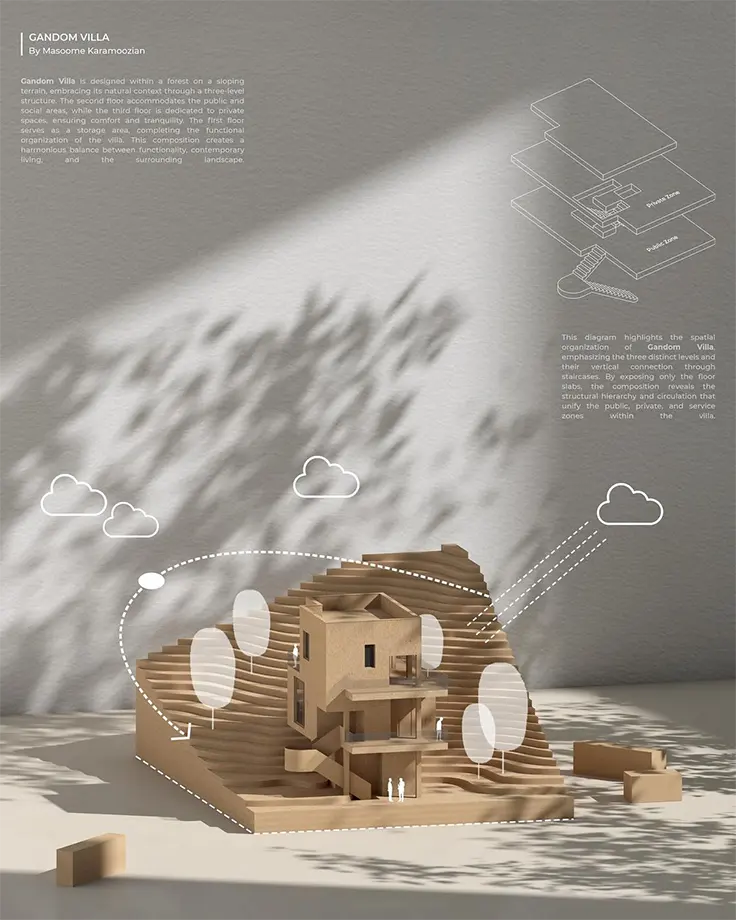
3D Visualisation (Kefalonia case-study)
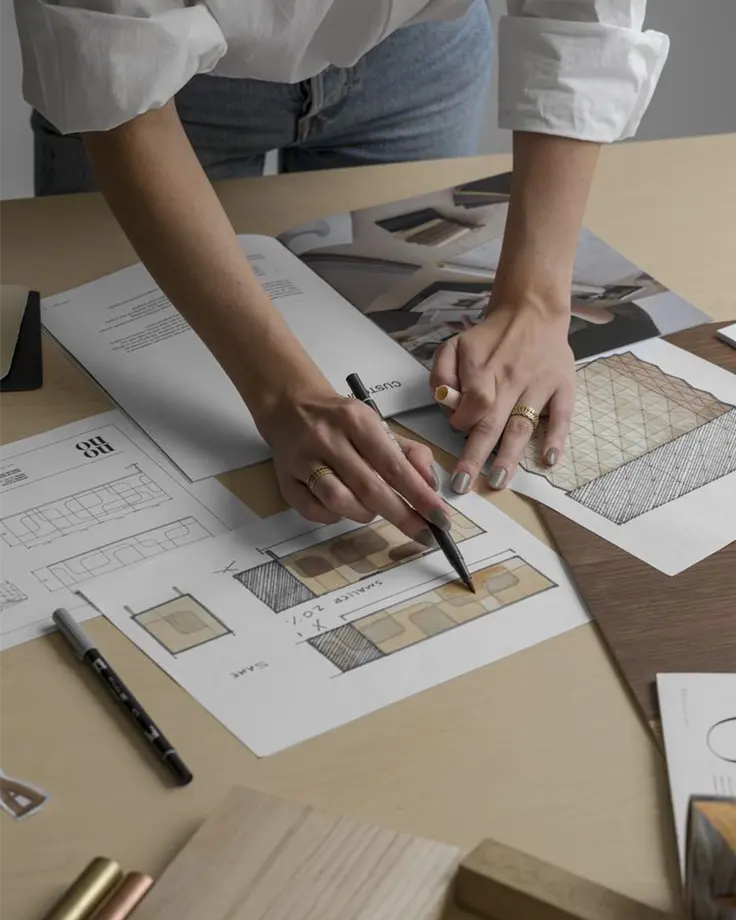
In contemporary architectural practice, the traditional methods of presenting a concept—two-dimensional floor plans, static elevations, and hand-drawn cross-sections—are no longer sufficient to communicate the intricacies of premium structural environments. Today, clients, stakeholders, and planning committees demand an immersive, unambiguous, and absolute understanding of a space before ground is ever broken. This is where 3D Visualisation within architectural design shifts from a luxury presentation tool to a foundational operational necessity.
3D Visualisation in Residential Development
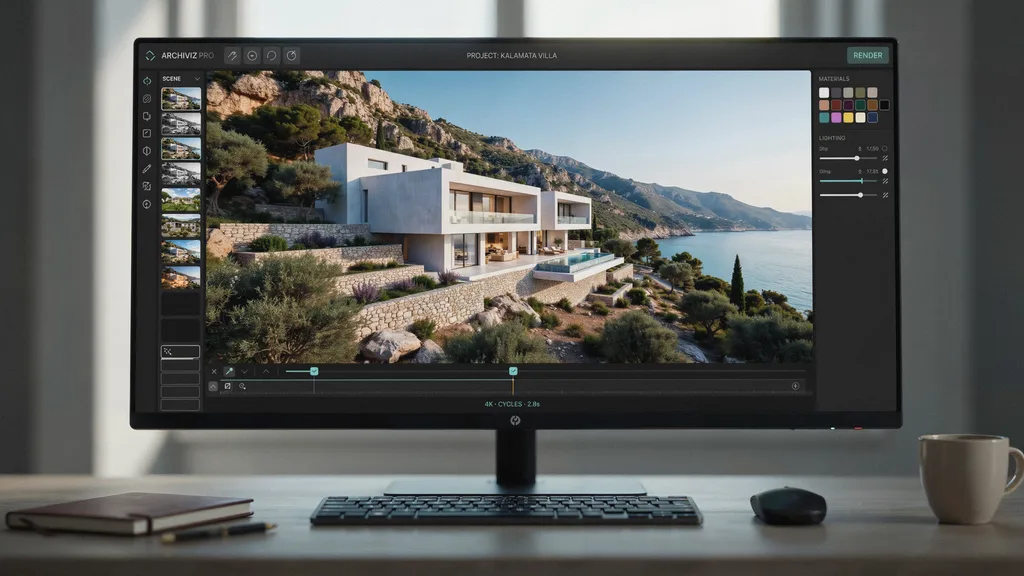
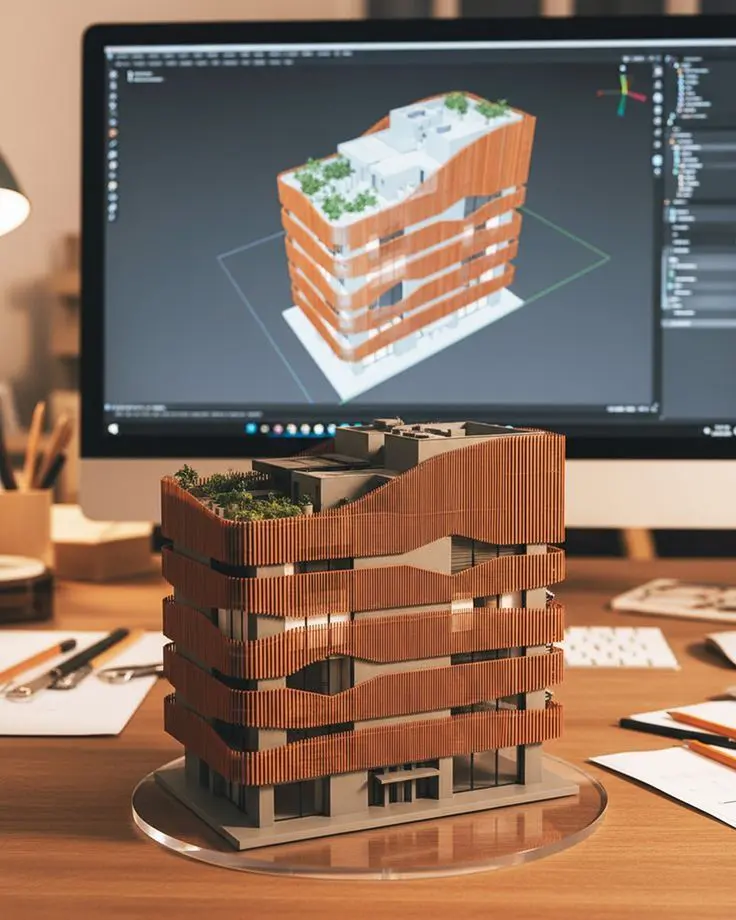
At Sun Ionian, our architectural design studio based in Kefalonia, we recognize that 3D Visualisation is not merely an aesthetic afterthought; it is a critical vehicle for spatial storytelling, heuristic risk mitigation, and structural validation. By translating complex CAD engineering data into highly atmospheric, physically accurate digital simulations, we empower property developers and private clients to preview material textures, natural light dynamics, and local topographical integrations with absolute fidelity.
Bringing Visions to Life
At Sun Ionian, we believe that visualizing your future home should never require a leap of faith. Operating in the unique landscape of Kefalonia, our high-fidelity 3D renderings and spatial simulations bridge the gap between architectural blueprints and emotional reality. By translating complex technical plans into vivid, photorealistic views, we empower you to experience the exact interplay of natural light, raw local textures, and spatial volume long before ground is broken. This immersive approach does more than inspire; it serves as a critical diagnostic tool that streamlines decision-making, mitigates construction uncertainty, and ensures the finished residence aligns flawlessly with your vision.
The Evolution of Architectural Delivery: Beyond the Blueprint
Historically, the architectural pipeline relied heavily on the “trained eye” of the client to interpret what a collection of intersecting lines meant in three dimensions. This reliance often introduced cognitive bias, misaligned expectations, and costly modifications during the active construction phase. Architectural visualization rectifies this vulnerability by providing an explicit, mathematically accurate prototype of the proposed structure.
By implementing advanced rendering algorithms, we can simulate exact physical phenomena, such as how the harsh Mediterranean afternoon sun interacts with local fieldstone, or how a microcement finish behaves under diffused morning light. This level of foresight is vital for projects located in topographically distinct regions like Kefalonia, where steep terrains, dramatic coastal backdrops, and stringent local building regulations require meticulous spatial coordination
How 3D Visualisation Enhances Real Estate Appraisals and Decreases Risk
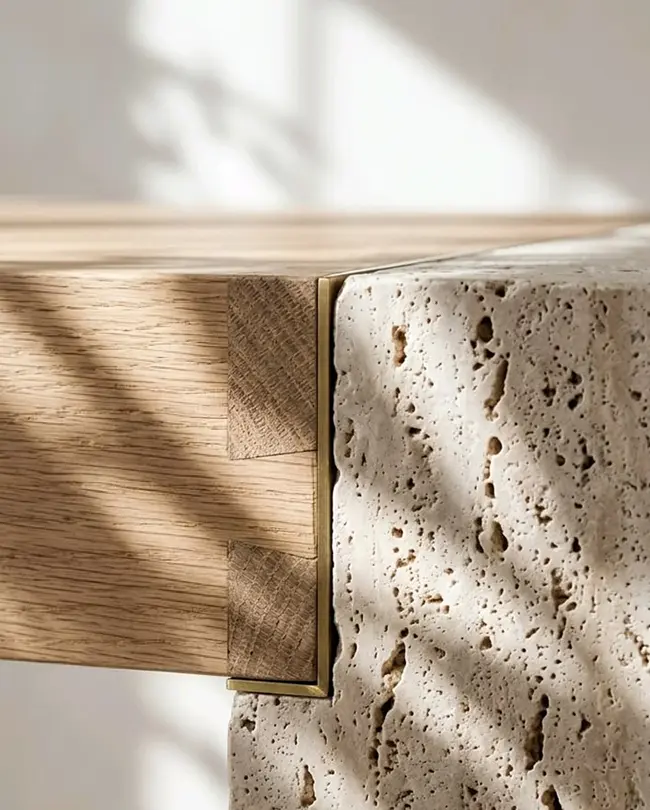
Table 1: Comparative Impact Analysis
| Design Iteration | Glazing Area (sqm) | Overhang Depth (m) | Predicted Peak Cooling Load | Client Sentiment Index |
|---|---|---|---|---|
| Option A (Baseline 2D Concept) | 74.5 sqm | 0.50 m | 14.2 kW | 42% (Uncertainty on view vs. heat) |
| Option B (Extended Overhang) | 62.0 sqm | 1.20 m | 10.5 kW | 68% (Concern over light loss) |
| Option C (Optimized 3D Model) | 81.0 sqm | 1.85 m (Bioclimatic) | 8.1 kW | 98% (Immediate Approval) |
3D Visualisation is not merely the rendering of pixels; it is the translation of human desire into spatial reality. It allows us to converse with light, matter, and geography long before the first stone is laid.
Simulating Materiality: The Interaction of Stone, Timber, and Light
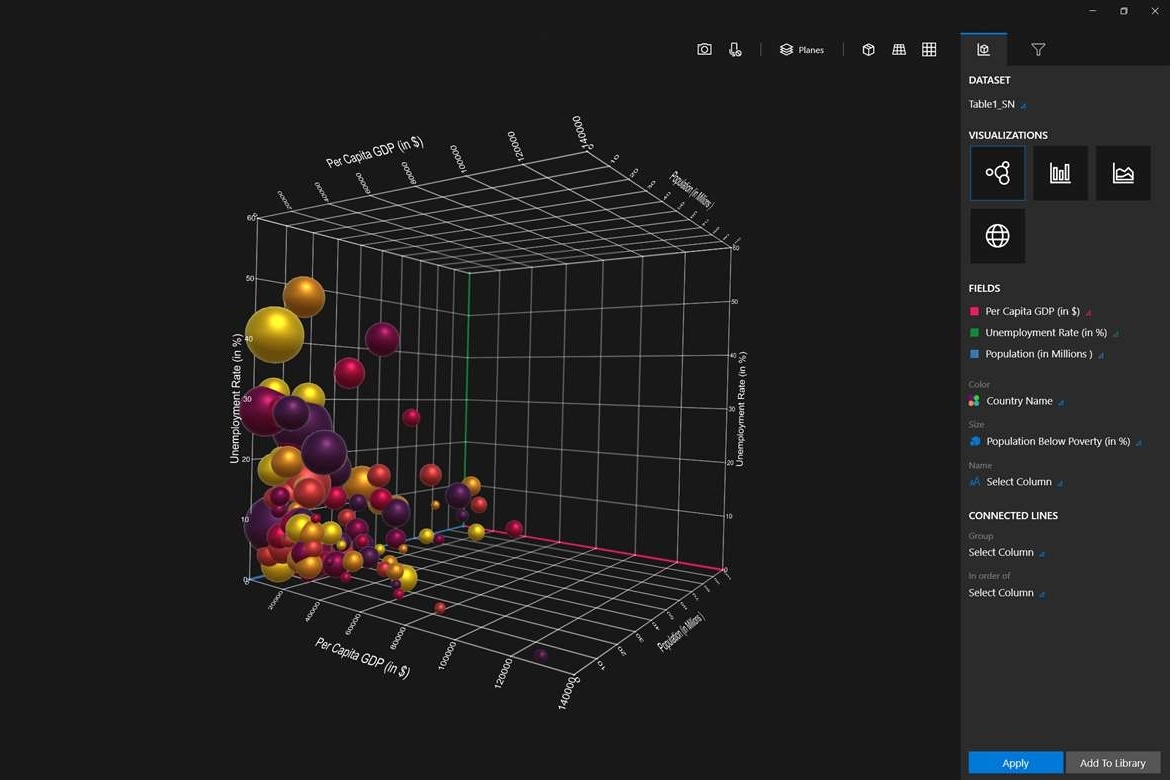
Our architectural philosophy prioritizes materials that resonate deeply with their geographical context, anchoring structures through warm minimalism, biophilic principles, and raw, natural components like oak, microcement, and local Ionian fieldstone. Translating the tactile, premium nature of these materials into a digital interface demands absolute technical precision.
Through Physically Based Rendering (PBR), we mathematically map the specific roughness, metallic reflection, and refractive indices unique to each surface.
For example, the intricate micro-surface texture of a split-face fieldstone retaining wall in Kefalonia can be modeled to catch shadows with flawless accuracy as the simulated sun angle shifts from midday to dusk. By simulating real-world physics, this advanced visualization does more than inspire—it acts as an essential diagnostic tool.
It allows for a rigorous, data-driven assessment of visual harmony, light performance, and material behavior long before procurement or masonry works ever begin on-site.
Case Study: The Kefalonia Cliffside Sanctuary (A Paradigm of Visual Precision)
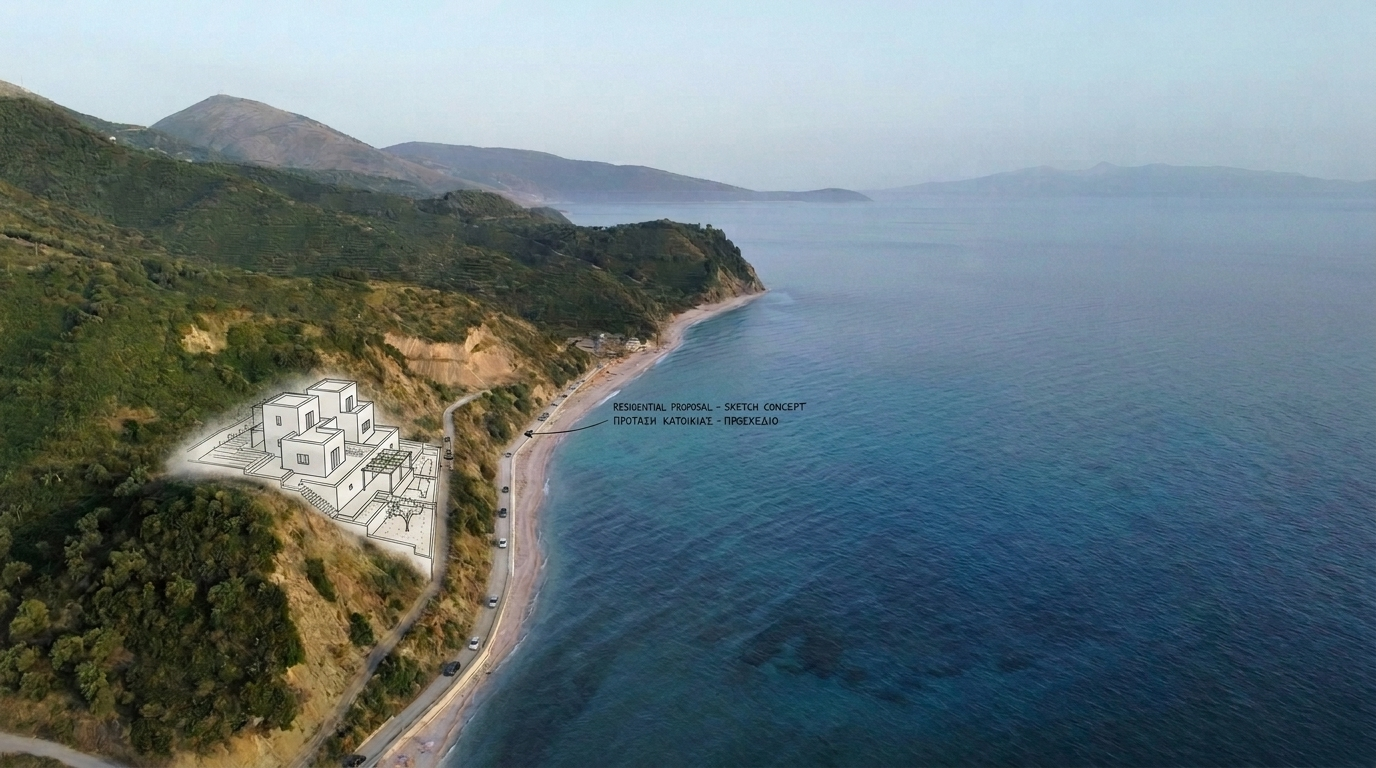
To demonstrate the concrete advantages of integrating advanced 3D Visualisation into our architectural design workflow, let us examine a recent residential assignment executed by our design studio.
Perched on the dramatic topography of the Ionian coastline, the Kefalonia Cliffside Sanctuary represents a masterclass in balancing ambitious architectural vision with rigorous environmental and structural constraints. Designing for such a prominent, high-exposure landscape required an approach that honored raw natural elements while mitigating the inherent uncertainties of a complex terrain. By utilizing high-fidelity 3D visualization from the earliest conceptual phases, our studio transformed traditional design iterations into an asset of absolute precision.
Rather than treating rendering as a final presentation tool, we integrated advanced 3D modeling directly into our engineering and spatial workflows. This allowed us to meticulously analyze sun paths, material textures, and structural integration against the cliffside backdrop long before breaking ground.
Project Profile: The Cliffside Sanctuary (Lassi Peninsula, Kefalonia)
The Challenge: A private investor commissioned an eco-luxury, autonomous off-grid villa positioned on a steep, 35-degree coastal incline overlooking the Ionian Sea. The primary complexities involved navigating stringent regional seismic building codes, avoiding disruption to the local pine topography, and managing the harsh glare of western sea exposures while capturing panoramic views.
The Solution through 3D Visualisation.
The integration of advanced 3D Visualisation shifted our workflow from a speculative design exercise into a highly predictable, risk-mitigated business operation, yielding critical advantages across three key pillars:
1. Accelerated Regulatory and Permitting Timelines
Navigating the strict environmental and seismic regulations of the Ionian islands typically demands extensive iterative revisions. However, by providing the regional building authorities with precise, photogrammetrically accurate site-line simulations and structural integration data, we proved there would be zero adverse impact on the local pine canopy.
2. Optimization of Pre-Construction Capital and Material Procurement
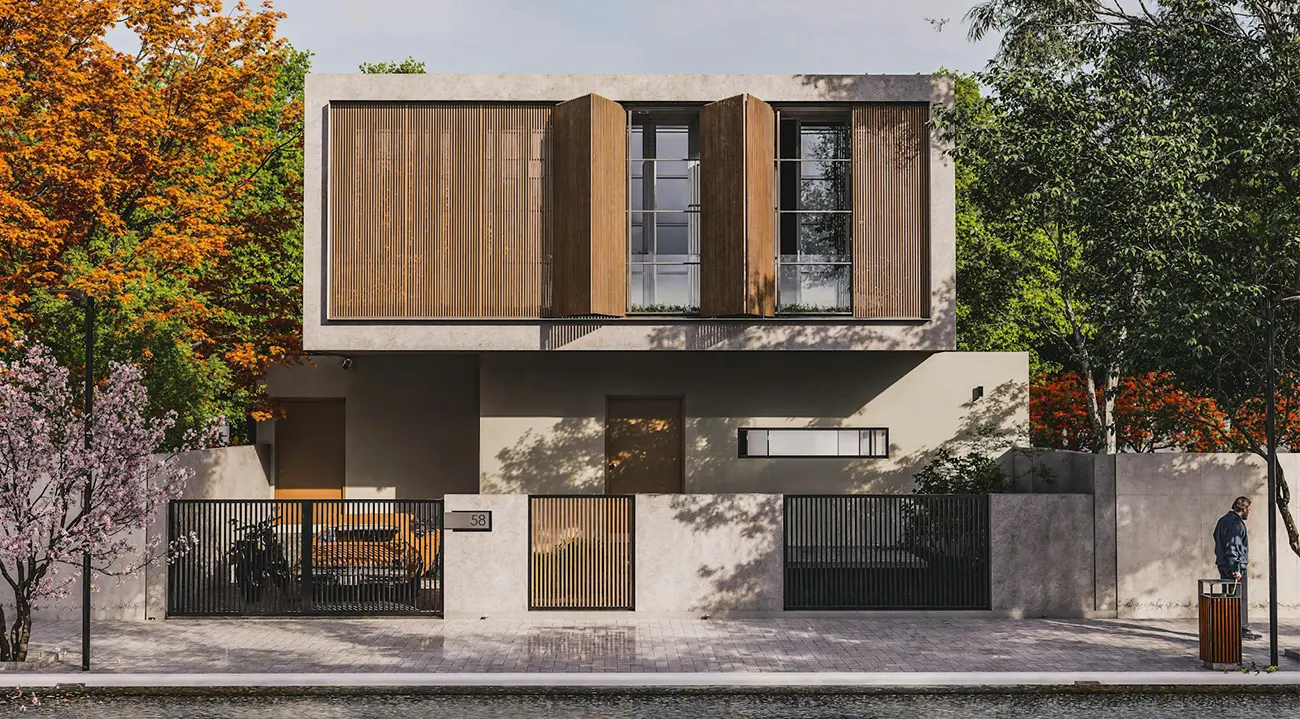
By validating the aesthetic interplay of microcement, local fieldstone, and timber louvers within a high-fidelity digital sandbox, we eliminated the costly requirement for physical on-site material mockups.
3. Seamless Capital Acquisition and Pre-Construction Financial Velocity
The ultimate value of our 3D pipeline manifested as a powerful engine for investor relations. Armed with a hyper-realistic, emotionally evocative portfolio of the villa—backed by integrated engineering appraisal data—the owner possessed a tangible asset long before excavation began.
Topographical Drone Mapping & Integration
+ -We executed a high-precision digital terrain survey using aerial photogrammetry. This allowed us to construct a 1:1 digital twin of the cliff edge, embedding our 3D architectural model directly into the exact coordinates of the site.
Biophilic Light Management
+ -By utilizing real-world geolocation data, our rendering engine simulated the exact sun paths for June and December. We discovered that a proposed glass facade would generate excessive thermal gain and internal glare. We immediately modified the design, incorporating deep architectural overhangs, native timber louvers, and a local fieldstone structural spine to act as a thermal mass.
Material Harmony Validation
+ -The client was hesitant about using an extensive microcement floor adjacent to rough fieldstone walls. By rendering a hyper-realistic, interactive 360-degree walkthrough, the client experienced the visual equilibrium of warm minimalism firsthand, approving the design with zero modifications.
Table 2: Comparative Impact Analysis
| Phase | Technical Process | Key Deliverables | Stakeholder Benefit |
|---|---|---|---|
| 1. Schematic Modeling | Conversion of verified 2D CAD layouts and structural engineering vectors into a raw 3D polygon mesh. | Volumetric block-outs, spatial flow analysis, initial massing models. | Immediate consensus on structural proportions, building heights, and site positioning. |
| 2. PBR Material Mapping | Application of physically accurate texture maps (albedo, roughness, normal, displacement) matching real materials. | High-fidelity material studies (e.g., fieldstone, brushed oak, microcement behavior). | Clear tactile and aesthetic alignment; eliminates ambiguity regarding material finishes. |
| 3. Environmental Simulation | Integration of real-world coordinates, true North calibration, and precise artificial lumens calculations. | Sun-path shadow studies, glare evaluations, interior lux distribution heatmaps. | Empirical validation of natural daylighting strategies and energy-efficient shading solutions. |
| 4. Production Rendering | High-density global illumination calculation using ray-tracing processors to generate static and dynamic visuals. | Hyper-realistic 4K stills, cinematic walkthroughs, interactive virtual reality (VR) environments. | Invaluable assets for marketing, capital acquisition, and definitive regulatory approval folders. |
Disclaimer: The information, architectural concepts, and case studies presented in this post are for informational and illustrative purposes only. Every project is subject to unique engineering, environmental, and regulatory requirements. Official structural assessments, design approvals, and technical consultations must be conducted directly through our firm before any project implementation.
Copyright © 2026 Sun Ionian. All rights reserved. No part of this publication, including text, original 3D renderings, or design concepts, may be reproduced, distributed, or transmitted in any form or by any means without the prior written permission of the copyright holder.